
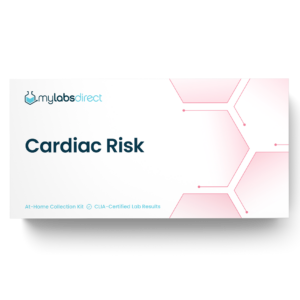
- 6 Biomarkers Reported
Total Cholesterol, LDL, HDL, Triglycerides, VLDL-C, hs-CRP
Who should take this test?
Our at-home cardiac risk test is ideal for adults who want a convenient, proactive way to monitor heart health—especially those with a family history of heart disease, high blood pressure, diabetes, or elevated cholesterol. It’s also recommended for individuals over 30, people with sedentary lifestyles, or anyone managing weight, diet, or stress. By measuring key biomarkers like Total Cholesterol, LDL, HDL, Triglycerides, VLDL-C, and hs-CRP, this comprehensive test helps identify early signs of cardiovascular risk and supports informed decisions about prevention and lifestyle changes.
What's measured?
Total Cholesterol:
Total cholesterol measures the overall amount of cholesterol in your blood, including LDL, HDL, and VLDL. It’s a general indicator of cardiovascular health and helps assess overall heart disease risk.
LDL (Low-Density Lipoprotein):
LDL is often called “bad” cholesterol because it carries cholesterol to arteries, where it can build up and form plaque. High levels increase the risk of atherosclerosis, heart attack, and stroke.
HDL (High-Density Lipoprotein):
HDL is known as “good” cholesterol because it helps remove excess cholesterol from the bloodstream and transports it to the liver for disposal. Higher levels are associated with a lower risk of heart disease.
Triglycerides:
Triglycerides are a type of fat in the blood that the body uses for energy storage. Elevated levels can contribute to artery hardening and increase cardiovascular risk, especially when combined with high LDL or low HDL.
VLDL-C (Very Low-Density Lipoprotein Cholesterol):
VLDL-C carries triglycerides from the liver to tissues throughout the body. High levels are associated with plaque buildup in arteries and are considered a contributor to cardiovascular disease.
hs-CRP (High-Sensitivity C-Reactive Protein):
hs-CRP is a marker of inflammation in the body, produced by the liver in response to injury or infection. Elevated levels are linked to an increased risk of cardiovascular events, even when cholesterol levels appear normal.
What's in the box?
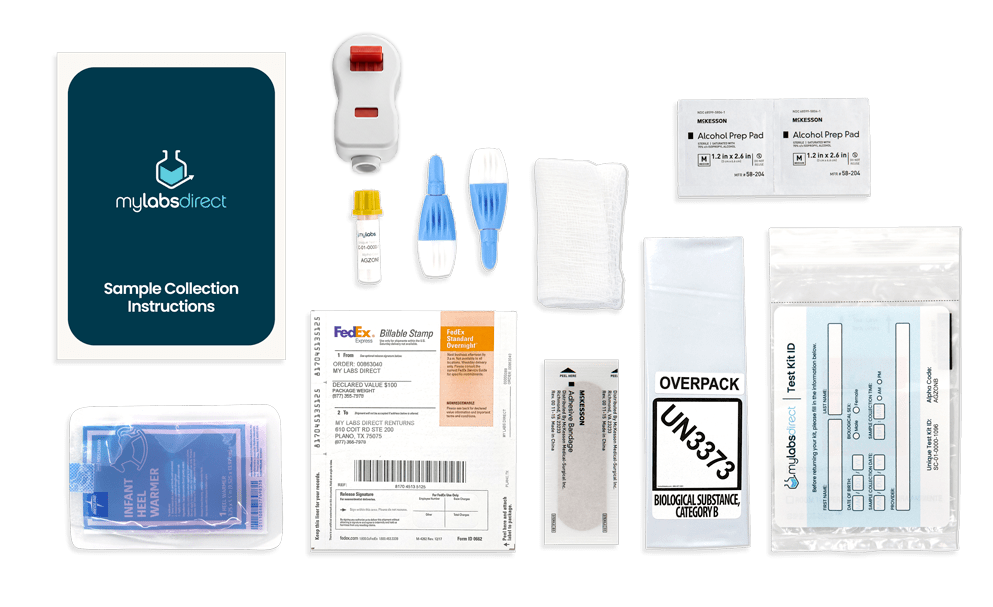
Cardiac Risk At-Home Lab Kit
- Instructions
- Quick Draw Device
- 2x Lancet
- Gauze
- Alcohol Wipes
- Latex-Free Bandaid
- Heel Warmer
- Biohazard Bag
- Return Mailer Bag
- Pre-Paid Return Label
- Heart Health
Cardiac Risk Test
Intended for individuals with personal or family history of cardiovascular disease or risk factors such as high cholesterol, hypertension, or diabetes. Provides diagnostic insight into lipid metabolism and inflammation markers associated with heart disease.
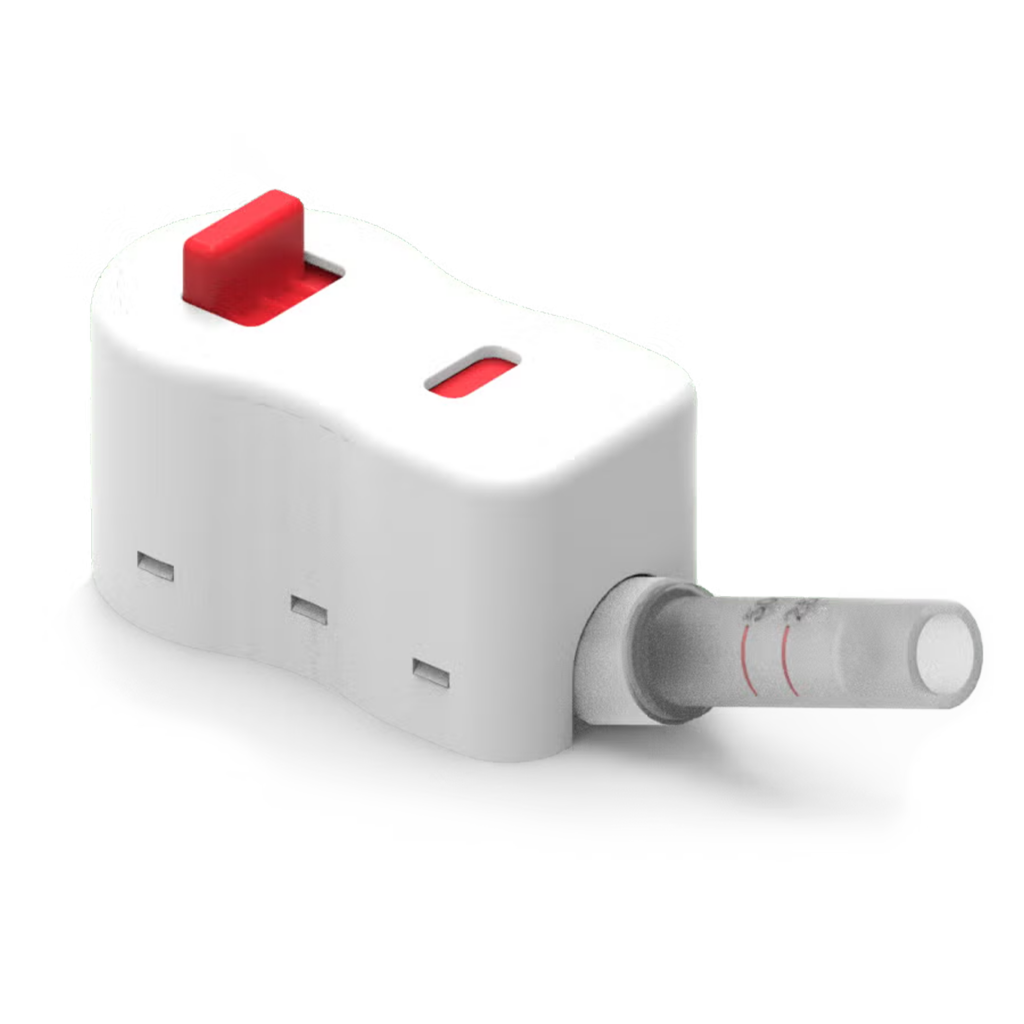
Collection Method

- FSA / HSA Accepted
- Free Return Shipping
- 100% Private & Secure Health Data
- CLIA-Certified Lab Results
- Improvement-Driven Health Data
Insights Into Your health
Explore Cardiac Health
Your heart health is influenced by a combination of cholesterol levels, inflammation, and metabolic factors. The Cardiac Risk Test provides a detailed look at key biomarkers that help assess your risk for cardiovascular disease—often before symptoms appear.
This test goes beyond a basic cholesterol check by evaluating how fats are transported in your bloodstream and whether inflammation or other hidden risk factors may be present. Together, these markers offer a more complete picture of your cardiovascular health and long-term risk.
Cardiovascular disease often develops silently over time. Many people with elevated risk markers feel completely healthy until a serious event occurs.
By identifying imbalances early, you can take proactive steps—such as improving diet, increasing physical activity, or consulting a healthcare provider—to reduce your risk and protect your long-term heart health.
What it is:
Total cholesterol measures the overall amount of cholesterol in your blood, including both beneficial and harmful forms.
Why it matters:
While your body needs cholesterol to function, excess levels can build up in arteries and increase the risk of heart disease.
Symptoms of abnormal levels:
High cholesterol typically has no noticeable symptoms, which is why routine testing is critical. In severe cases, it may contribute to:
- Chest pain (angina)
- Heart attack or stroke
What it is:
Low-density lipoprotein (LDL) carries cholesterol to your arteries.
Why it matters:
High LDL levels can lead to plaque buildup in artery walls, increasing the risk of heart disease and stroke.
Symptoms of abnormal levels:
Often silent, but long-term elevation may lead to:
- Narrowed arteries
- Chest discomfort
- Cardiovascular events
What it is:
High-density lipoprotein (HDL) helps remove excess cholesterol from your bloodstream.
Why it matters:
Higher HDL levels are associated with lower cardiovascular risk because it helps clear cholesterol from arteries.
Symptoms of abnormal levels:
Low HDL may not cause symptoms directly but is often associated with:
- Increased cardiovascular risk
- Metabolic issues (such as insulin resistance)
What it is:
Triglycerides are a type of fat in your blood used for energy.
Why it matters:
Elevated triglycerides are linked to increased cardiovascular risk and may indicate underlying metabolic issues.
Symptoms of abnormal levels:
High levels may be associated with:
- Weight gain or obesity
- Fatigue
- In severe cases, pancreatitis
What it is:
A marker of inflammation in the body, particularly in blood vessels.
Why it matters:
Chronic inflammation plays a key role in plaque instability and cardiovascular events.
Symptoms of abnormal levels:
Often no obvious symptoms, but may correlate with:
- Chronic inflammation
- Increased cardiovascular risk
What it is:
Very low-density lipoprotein (VLDL-C) is a type of lipoprotein produced by the liver that carries triglycerides through the bloodstream to tissues in the body.
Why it matters:
VLDL is considered a “bad” cholesterol because it contributes to the buildup of plaque in the arteries (atherosclerosis). Elevated VLDL levels are often associated with high triglycerides and can increase the risk of heart disease and stroke.
Symptoms of abnormal levels:
Like most cholesterol markers, high VLDL typically does not cause noticeable symptoms on its own. However, elevated levels may be linked to:
- Increased risk of plaque buildup in arteries
- Higher likelihood of heart disease or stroke
- Metabolic conditions such as obesity or insulin resistance
In more advanced cases, long-term imbalance may contribute to:
- Chest pain (angina)
- Cardiovascular events
Test Anytime, Anywhere
How at-home health testing works
Order Your Lab Kit
Find the right test for your unique needs and receive clinic-grade sample collection kits delivered to your door.

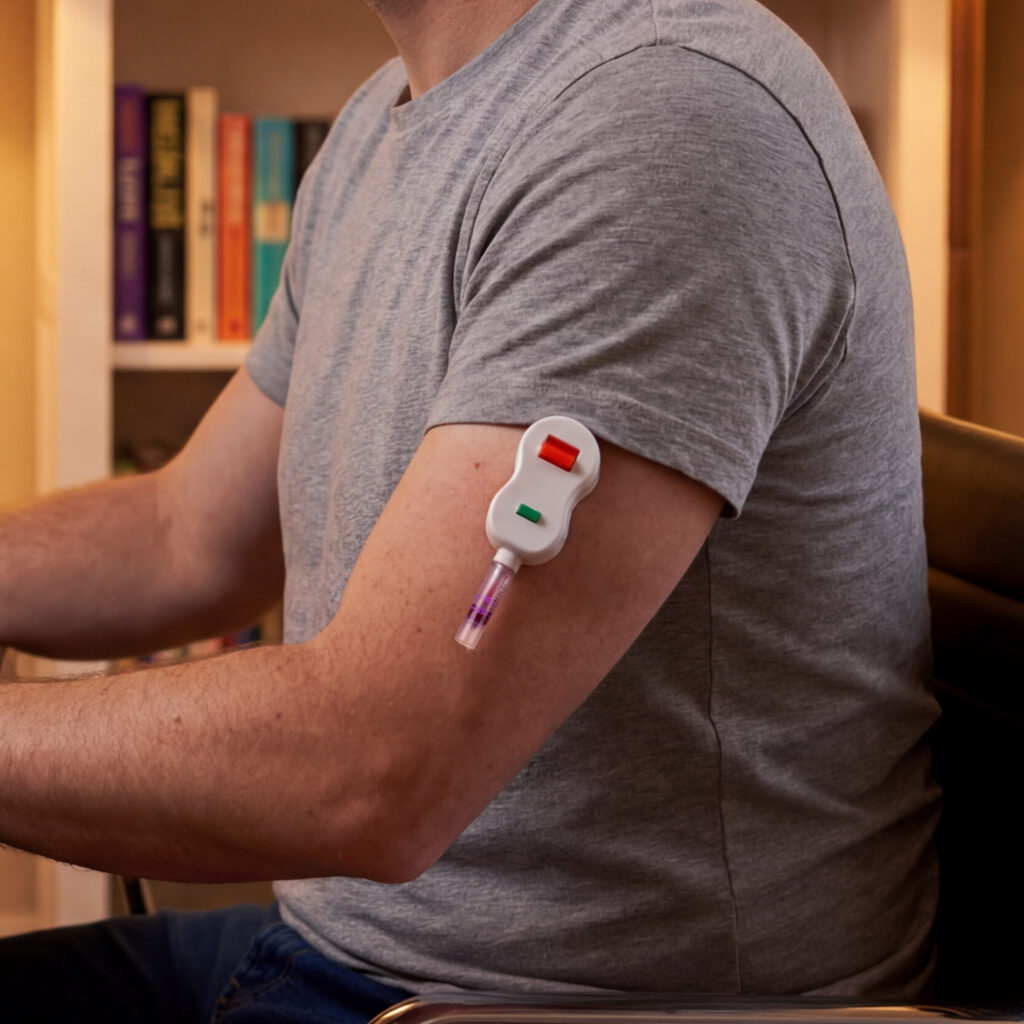
Collect Your Sample
Follow the included instructions to easily collect your sample and ship it back to us using the prepaid return shipping label.
Review Your Results
Within days your test results and unique health insights will be available on our convenient online dashboard.
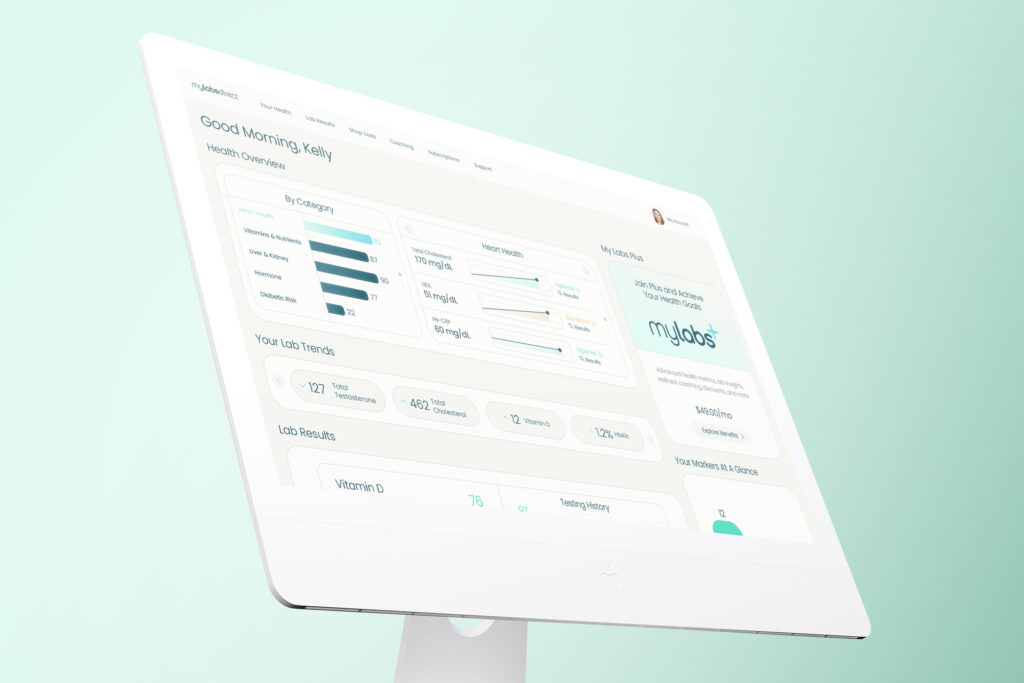
Your Health, Empowered
Based on your results, we empower better health through treatments, prescription access, and physician consultation.

FAQs
Answering Your Questions
The Cardiac Risk Test evaluates key biomarkers associated with cardiovascular health. These typically include cholesterol levels (total cholesterol, HDL, LDL), triglycerides, and other indicators that help assess your risk for heart disease.
These markers provide insight into how well your heart and blood vessels are functioning and whether preventative action may be needed.
Heart disease is one of the leading causes of death, and many individuals may not experience symptoms until a serious event occurs.
Testing helps identify early warning signs such as elevated cholesterol or lipid imbalances, allowing you to take proactive steps to improve heart health and reduce long-term risk.
The frequency of cardiac risk testing depends on your age, health status, and personal risk factors.
- Generally healthy adults: Every 1–2 years as part of routine health monitoring
- Individuals with risk factors (such as high cholesterol, high blood pressure, diabetes, or family history of heart disease): Every 6–12 months, or as recommended by your healthcare provider
- Those making lifestyle changes or starting treatment: Testing every 3–6 months may help track progress and improvements
Regular testing allows you to monitor trends over time rather than relying on a single snapshot, helping you take proactive steps to maintain or improve your heart health.
Your results will typically include:
- Total Cholesterol – overall cholesterol level in your blood
- LDL Cholesterol – higher levels may increase risk of plaque buildup
- HDL Cholesterol – helps remove excess cholesterol from the bloodstream
- Triglycerides – elevated levels may increase heart disease risk
A combination of these markers provides a more complete picture of heart health rather than relying on a single value.
Using a My labs Direct at-home lab test kit is quick and convenient:
- Order your test kit online
- Complete your sample collection and send the sample back to our lab in the included pre-pair shipping bag
- Your sample is analyzed in our certified laboratory
- Receive secure, easy-to-understand results online
This process allows you to assess your overall health and risk factors without scheduling a doctor’s appointment.
This test is recommended for individuals who:
- Have a family history of heart disease
- Have high blood pressure, diabetes, or obesity
- Smoke or have a sedentary lifestyle
- Are over the age of 30 and want to monitor heart health
- Want a baseline assessment of cardiovascular risk
Our clinical-grade test kits are processed in our own CLIA-certified laboratory using standardized testing methods, ensuring results that are as accurate and reliable as traditional in-clinic lab tests.
Most customers receive their lab results within 1–3 business days after the sample is received and processed. Results are delivered securely through an online portal for easy access.
Yes. Many cardiovascular risk factors are modifiable. Depending on your results, you may benefit from:
- Improving diet (reducing saturated fats, increasing fiber)
- Increasing physical activity
- Managing weight
- Quitting smoking
- Consulting a healthcare provider for further evaluation
This at-home test is a powerful screening tool, but it does not replace medical advice or diagnosis. If your results are elevated, it’s important to consult with a healthcare provider for further evaluation and guidance.
This at-home lab test kit offers several advantages:
- Convenient testing without clinic visits
- Early detection of serious health conditions
- Affordable pricing with no insurance required
- Fast and confidential results
- Empowerment to take control of your health
It’s an easy way to stay proactive about your overall health.
Yes. Your personal and health data is protected with advanced encryption and is fully HIPAA-compliant. Your results remain private and accessible only to you.
In most cases, yes. Our at-home lab test kits are be eligible for purchase using HSA or FSA funds. Check with your plan provider for details.