

- 17 Biomarkers Reported
HbA1c, Total Cholesterol, LDL, HDL, Triglycerides, BUN, Creatinine, Albumin, Total Protein, Calcium, TSH, hs-CRP, Vitamin D, Vitamin B12, Ferritin, Uric Acid, Total Testosterone (male-only)
Who should take this test?
The GLP-1 Baseline Health Test is perfect for adults who are considering, starting, or already using a GLP-1 medication as part of a medically supervised weight-management plan.
It can be particularly helpful for:
1. People Starting a GLP-1 Medication
Establish a health baseline before beginning a new weight-management treatment. Your results provide a snapshot of important health markers that can be compared with future testing.
2. People Already Using GLP-1 Medications
Regular laboratory testing may help you and your healthcare provider track changes in key health markers as your weight and health goals evolve.
3. People Focused on Metabolic Health
HbA1c, cholesterol, triglycerides, and other biomarkers provide insight into important aspects of metabolic and cardiovascular health.
4. People Experiencing Changes in Diet or Weight
Significant changes in food intake, body weight, and lifestyle can affect nutritional status and other health markers. Testing can provide useful information as your health journey changes.
5. People Concerned About Nutritional Status
Vitamin D, Vitamin B12, ferritin, albumin, total protein, and calcium provide information about several important nutrients and proteins in the blood.
6. Adults Monitoring Cardiovascular Health
Total cholesterol, LDL, HDL, triglycerides, and hs-CRP provide a broader look at markers associated with cardiovascular health.
7. Anyone Who Wants a Starting Point
Whether you are just beginning your weight-management journey or want to better understand your current health, a baseline test gives you measurable information to track over time.
Important: This test is not a substitute for medical care or a prescription. Discuss your results and GLP-1 treatment with your healthcare provider.
What's measured?
HbA1c
HbA1c reflects your average blood glucose levels over approximately the previous 2–3 months. It is commonly used to assess blood sugar control and screen for or monitor diabetes.
Total Cholesterol
Measures the total amount of cholesterol in your blood. Total cholesterol is considered alongside HDL, LDL, and triglycerides when evaluating cardiovascular health.
LDL
Low-density lipoprotein (LDL) is often referred to as “bad” cholesterol. Higher LDL levels can contribute to plaque buildup in the arteries and are associated with cardiovascular disease risk.
HDL
High-density lipoprotein (HDL) is often referred to as “good” cholesterol. HDL helps transport cholesterol away from the arteries and back to the liver for processing.
Triglycerides
Triglycerides are a type of fat found in the blood and are an important source of stored energy. Elevated triglyceride levels can be associated with increased cardiovascular and metabolic risk.
BUN
Blood Urea Nitrogen (BUN) measures the amount of urea nitrogen in the blood. BUN is commonly evaluated as part of an assessment of kidney function and hydration status.
Creatinine
Creatinine is a waste product produced by normal muscle metabolism. Blood creatinine is commonly used to evaluate kidney function.
Albumin
Albumin is the most abundant protein in the blood. It helps maintain fluid balance and transports various substances throughout the body.
Total Protein
Total protein measures the combined amount of albumin and other proteins in the blood. It can provide information that helps evaluate nutritional status and liver, kidney, or other health conditions.
Calcium
Calcium is an essential mineral involved in bone health, muscle contraction, nerve signaling, and other important functions throughout the body.
TSH
Thyroid-Stimulating Hormone (TSH) helps regulate thyroid function. TSH testing can provide information about whether the thyroid may be producing too much or too little thyroid hormone.
hs-CRP
High-sensitivity C-reactive protein (hs-CRP) measures low levels of C-reactive protein, a marker associated with inflammation. It may also be used as part of cardiovascular risk assessment.
Vitamin D
Vitamin D is important for calcium absorption, bone health, muscle function, and normal immune function. Testing can help identify vitamin D levels that are below or above the expected range.
Vitamin B12
Vitamin B12 is essential for red blood cell formation, DNA production, and normal nervous-system function. Low levels can contribute to anemia and neurological symptoms.
Ferritin
Ferritin is a protein that stores iron in the body. Ferritin testing can provide insight into the body’s stored iron levels and may be useful when evaluating possible iron deficiency or excess.
Uric Acid
Uric acid is produced when the body breaks down purines. Most uric acid is removed from the body through the kidneys. Elevated levels can be associated with gout and other health conditions.
Total Testosterone — Male-Only
Total testosterone measures the amount of testosterone in the blood, including testosterone that is bound to proteins and the portion that is freely circulating. Testosterone plays an important role in reproductive, metabolic, muscle, and overall health in males.
What's in the box?
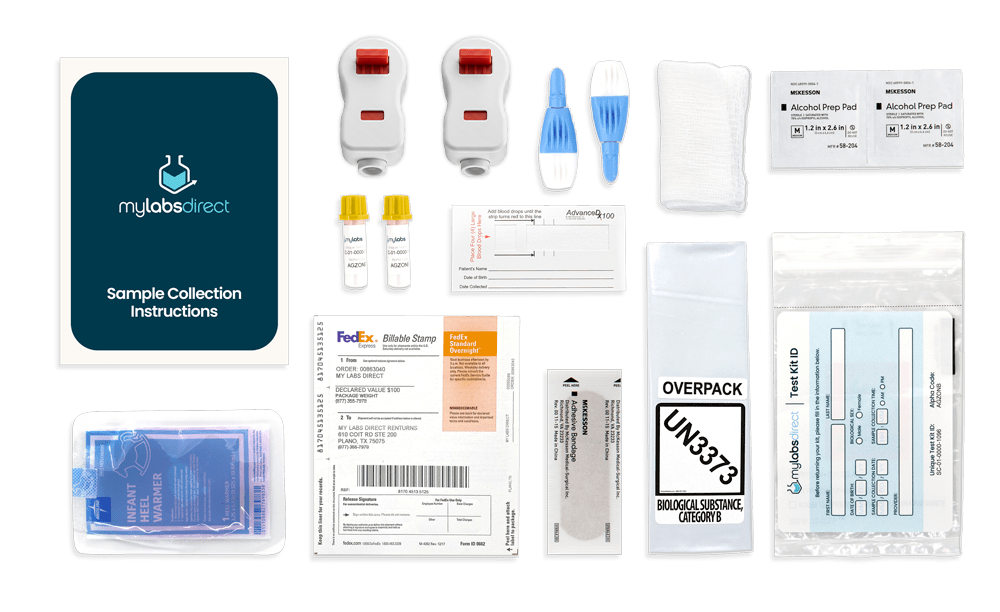
GLP-1 Baseline Health test Kit
- Virtual Proctor Card
- Instructions
- 2x Quick Draw Device
- 2x Lancet
- ADX Blood Collection Card
- Gauze
- Alcohol Wipes
- Latex-Free Bandaid
- Microtainer
- Heel Warmer
- Biohazard Bag
- Return Mailer Bag
- Return USPS Pre-Paid Label
- At-Home Health
- GLP-1 Support
GLP-1 Baseline Health Test
The GLP-1 Baseline Health Test is a comprehensive at-home blood test designed to measure key markers related to blood sugar, cardiovascular health, kidney function, nutrition, inflammation, thyroid function, and more. Your results provide a personalized health snapshot that can help you and your healthcare provider understand where you are starting and monitor changes over time.
Collection Method
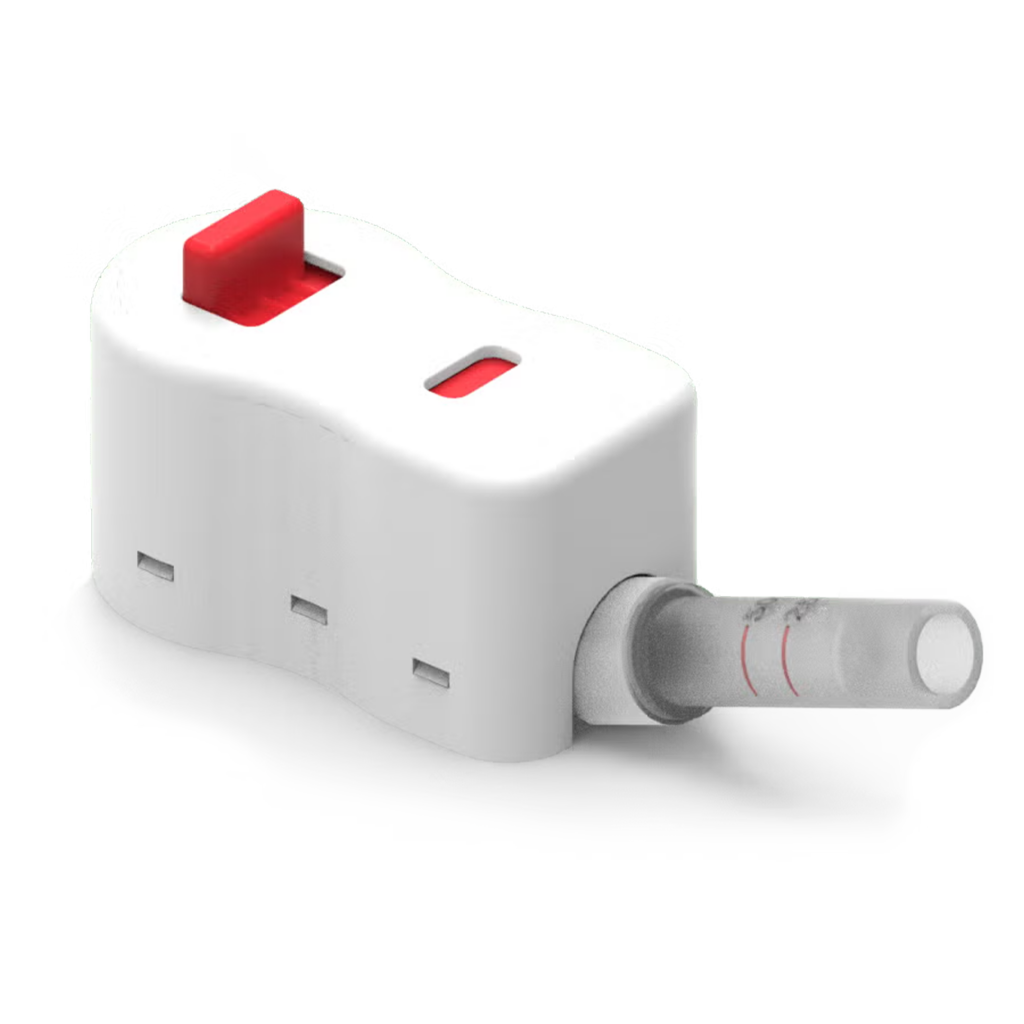
- FSA / HSA Accepted
- Free Return Shipping
- 100% Private & Secure Health Data
- CLIA-Certified Lab Results
- Improvement-Driven Health Data
Why Establish a GLP-1 Baseline?

Know Where You're Starting
Before making significant changes to your weight or metabolic health, it can be valuable to understand your current numbers.

Track Changes Over Time
A baseline gives you a reference point. Future testing can help you and your healthcare provider compare results and monitor changes.

Look Beyond the Scale
Weight is only one measure of health. Blood sugar, cholesterol, kidney function, nutritional markers, inflammation, and thyroid function can provide additional information about your overall health.

Take Your Results With You
Your laboratory results can be shared with your healthcare provider to support informed conversations about your health and treatment plan.
Biomarker Insights
Exploring Your GLP-1 Baseline Health
This comprehensive at-home lab test provides a convenient way to measure key health markers before or during your GLP-1 weight-management journey.
Measure blood sugar, cholesterol, kidney function, nutritional markers, inflammation, thyroid function, uric acid, and—when applicable—total testosterone.
Your results give you a measurable health snapshot that can be reviewed with your healthcare provider and used to track changes over time.
How This Test Supports GLP-1 Treatment
GLP-1 medications are highly effective for appetite control and blood sugar regulation, but hormonal imbalances can still impact how well your body responds to treatment. Factors like stress, thyroid function, and sex hormone levels all play a role in metabolism, fat storage, and energy—key components of successful weight loss.
The GLP-1 Baseline Health Test Kit helps you:
- Identify underlying hormonal barriers that may limit GLP-1 effectiveness
- Optimize metabolic function alongside GLP-1 therapy
- Personalize your weight loss strategy for better, more sustainable results
- Track progress and adjust your approach over time
By combining GLP-1 treatment with deeper hormone insights, you can take a more comprehensive, data-driven approach to weight management—helping maximize results and support long-term success.
HbA1c
What it measures:
Average blood glucose levels over approximately the previous 2–3 months.
Why it matters:
HbA1c is commonly used to assess blood sugar control and to screen for or monitor diabetes.
Total Cholesterol
What it measures:
The total amount of cholesterol in your blood.
Why it matters:
Total cholesterol is interpreted together with LDL, HDL, triglycerides, and other factors when assessing cardiovascular health.
LDL
What it measures:
The amount of low-density lipoprotein cholesterol in your blood.
Why it matters:
Higher LDL levels can contribute to plaque buildup in arteries and are associated with cardiovascular disease risk.
HDL
What it measures:
The amount of high-density lipoprotein cholesterol in your blood.
Why it matters:
HDL plays an important role in transporting cholesterol away from the arteries.
Triglycerides
What it measures:
A type of fat circulating in your blood.
Why it matters:
Triglycerides are an important energy source, but elevated levels may be associated with cardiovascular and metabolic health risks.
BUN
What it measures:
The amount of blood urea nitrogen in your blood.
Why it matters:
BUN is commonly evaluated alongside other markers when assessing kidney function and hydration.
Creatinine
What it measures:
A waste product produced by normal muscle metabolism.
Why it matters:
Blood creatinine is commonly used to evaluate kidney function.
Albumin
What it measures:
The concentration of albumin, a major blood protein.
Why it matters:
Albumin helps maintain fluid balance and transport substances throughout the body.
Total Protein
What it measures:
The combined concentration of proteins in the blood.
Why it matters:
Total protein can provide information relevant to nutritional status and liver, kidney, and other health conditions.
Calcium
What it measures:
The amount of calcium in your blood.
Why it matters:
Calcium is essential for bones, muscles, nerves, and numerous other body functions.
TSH
What it measures:
Thyroid-stimulating hormone.
Why it matters:
TSH is a primary laboratory marker used to evaluate thyroid function.
hs-CRP
What it measures:
Low levels of C-reactive protein in the blood.
Why it matters:
hs-CRP is a marker of inflammation and may be used as part of cardiovascular risk assessment.
Vitamin D
What it measures:
The level of vitamin D in your blood.
Why it matters:
Vitamin D plays an important role in calcium absorption, bone health, and muscle function.
Vitamin B12
What it measures:
The amount of vitamin B12 in your blood.
Why it matters:
Vitamin B12 supports red blood cell production, DNA synthesis, and normal neurological function.
Ferritin
What it measures:
A protein that stores iron.
Why it matters:
Ferritin can provide information about the body’s stored iron and may help identify potential iron deficiency or excess.
Uric Acid
What it measures:
The amount of uric acid circulating in the blood.
Why it matters:
Uric acid is normally filtered by the kidneys. Elevated levels can be associated with gout and other health conditions.
Total Testosterone
What it measures:
The total amount of testosterone in the blood.
Why it matters:
Testosterone plays an important role in reproductive, metabolic, muscle, and overall health in males.
Test Anytime, Anywhere
How at-home health testing works
1
Order Your Lab Kit
Find the right test for your unique needs and receive clinic-grade sample collection kits delivered to your door.

2
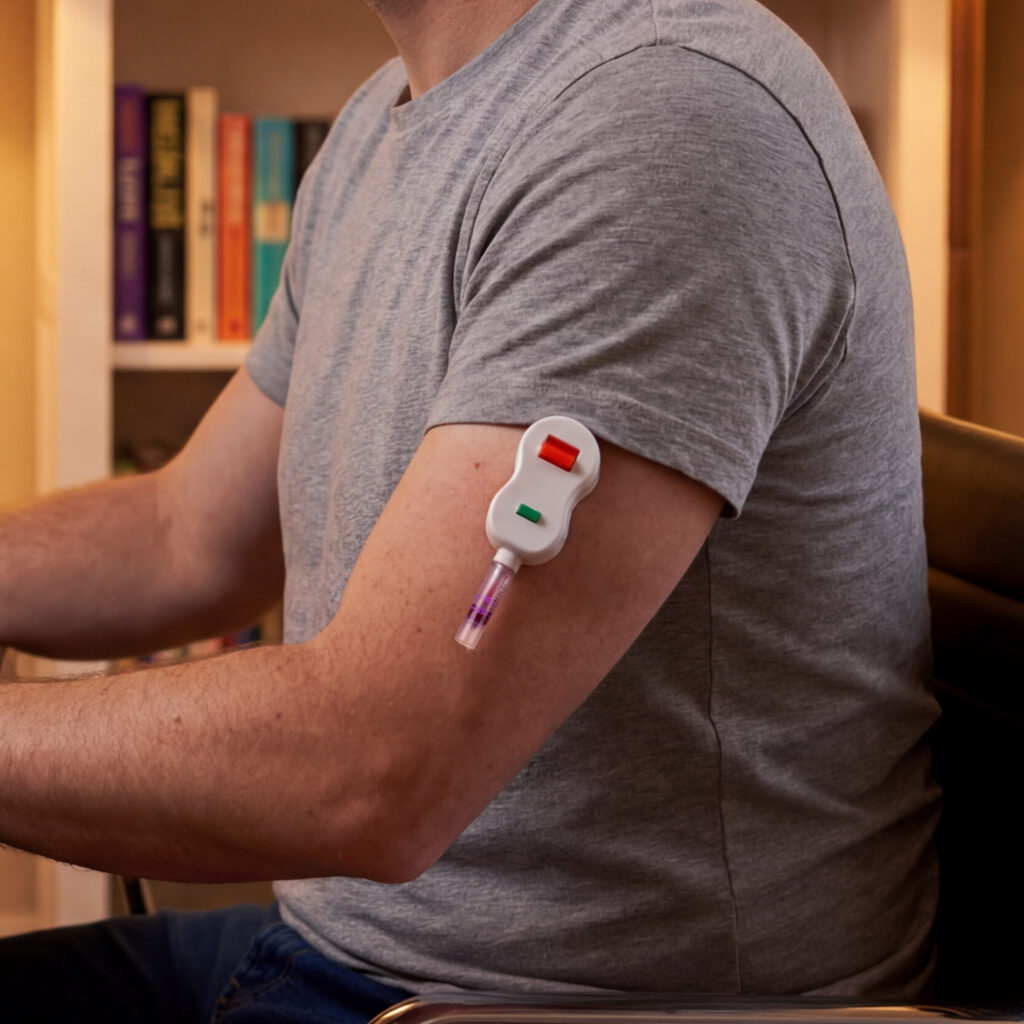
Collect Your Sample
Follow the included instructions to easily collect your sample and ship it back to us using the prepaid return shipping label.
3
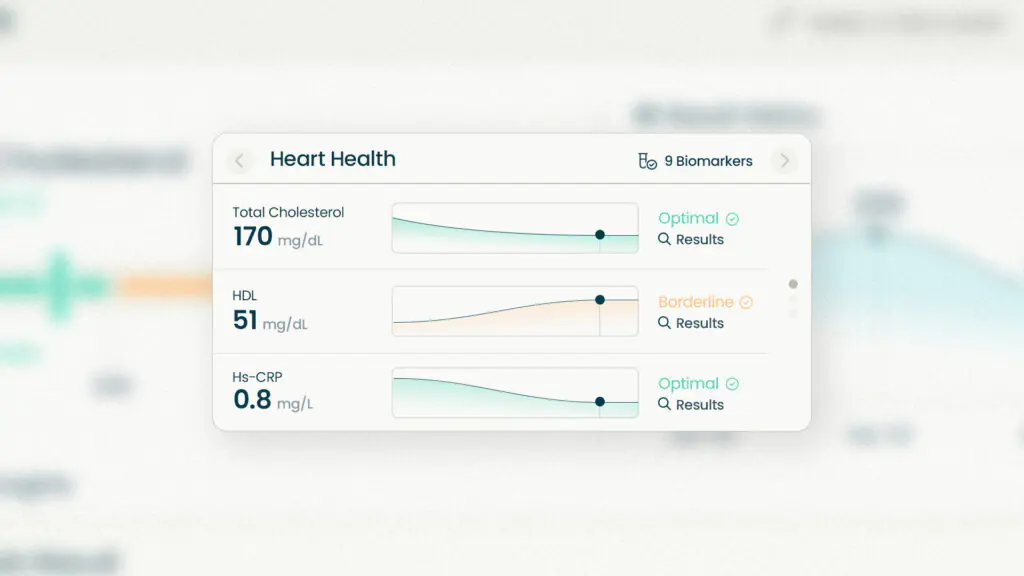
Review Your Results
Within days your test results and unique health insights will be available on our convenient online dashboard.
4
Your Health, Empowered
Based on your results, we empower better health through treatments, prescription access, and physician consultation.

Your personal health dashboard
Access your results, gain health insights, schedule telehealth appointments, and more with your personal wellness dashboard.
HIPAA-secure platform to track & monitor your lab values
Easy-to-understand results to learn more about your blood health
On-demand access to virtual care & personalized treatments
FAQs
Answering Your Questions
When should I take my test?
For the most consistent testing experience, we recommend preparing to test first thing in the morning. Be sure to drink plenty of water before testing, as good hydration can help with blood collection.
Important: Do not test on a Friday, Saturday, Sunday, or holiday. Your sample must be picked up, dropped at a dropbox location, or brought to FedEx on the same day you test.
Should I take this test before starting a GLP-1 medication?
A baseline test can provide useful information about your health before beginning a new treatment. If you are considering a GLP-1 medication, discuss appropriate laboratory testing with your healthcare provider.
Can I take this test if I am already using a GLP-1 medication?
Yes. The test can provide a snapshot of your current health markers. Your healthcare provider can determine whether additional or repeat testing is appropriate for your individual situation.
What will my results tell me?
Your results provide measurements for 16 core biomarkers related to blood sugar, cardiovascular health, kidney function, proteins, nutrition, inflammation, thyroid function, and metabolism. Male customers also receive a Total Testosterone result.
Laboratory results should be interpreted in the context of your health history, medications, symptoms, and other clinical information.
Does this test tell me if a GLP-1 medication is right for me?
No. Laboratory testing is one component of a medical evaluation. A qualified healthcare provider should determine whether a GLP-1 medication is appropriate for you based on your individual health history and circumstances.
Can I share my results with my healthcare provider?
Yes. Your results can be shared with your healthcare provider and may help support conversations about your health, weight-management goals, and treatment plan.
Do I need to be taking a GLP-1 medication to take this test?
No. The test can also be used by individuals who are considering a GLP-1 medication or who simply want to establish a baseline of key health markers as part of their health and wellness journey.
How often should I repeat the test?
The appropriate testing schedule depends on your individual health, treatment plan, medications, and healthcare provider’s recommendations. Your provider can help determine when repeat testing is appropriate.
Is the test performed by a certified laboratory?
Your sample is processed through our in-house CLIA-certified laboratory, and your results are delivered securely through your online dashboard.