

- 5 Biomarkers Reported
FSH, LH, Estradiol, Total Testosterone, Progesterone
Who should take this test?
Women who are trying to conceive, experiencing irregular cycles, or seeking a deeper understanding of their reproductive health can benefit from an at-home fertility test. This comprehensive panel measures key hormones—including Follicle-Stimulating Hormone (FSH), Luteinizing Hormone (LH), Estradiol, Total Testosterone, and Progesterone—to provide insights into ovulation, ovarian reserve, and hormonal balance. It’s ideal for women planning pregnancy, monitoring fertility over time, or identifying potential hormone imbalances that may impact reproductive health.
What's measured?
Follicle-Stimulating Hormone (FSH):
FSH is produced by the pituitary gland and stimulates the growth and maturation of ovarian follicles in the ovaries. It plays a key role in regulating the menstrual cycle and supporting egg development.
Luteinizing Hormone (LH):
LH triggers ovulation, the release of a mature egg from the ovary. It also supports the formation of the corpus luteum, which produces progesterone after ovulation.
Estradiol:
Estradiol is the primary form of estrogen responsible for regulating the menstrual cycle and supporting reproductive tissue health. It also contributes to bone strength, skin health, and overall hormonal balance.
Total Testosterone:
Testosterone, though typically considered a male hormone, is present in women in smaller amounts and supports libido, mood, and muscle strength. Balanced levels are important for overall hormonal health and ovarian function.
Progesterone:
Progesterone prepares the uterine lining for potential pregnancy after ovulation. It also helps regulate the menstrual cycle and supports early pregnancy if fertilization occurs.
What's in the box?
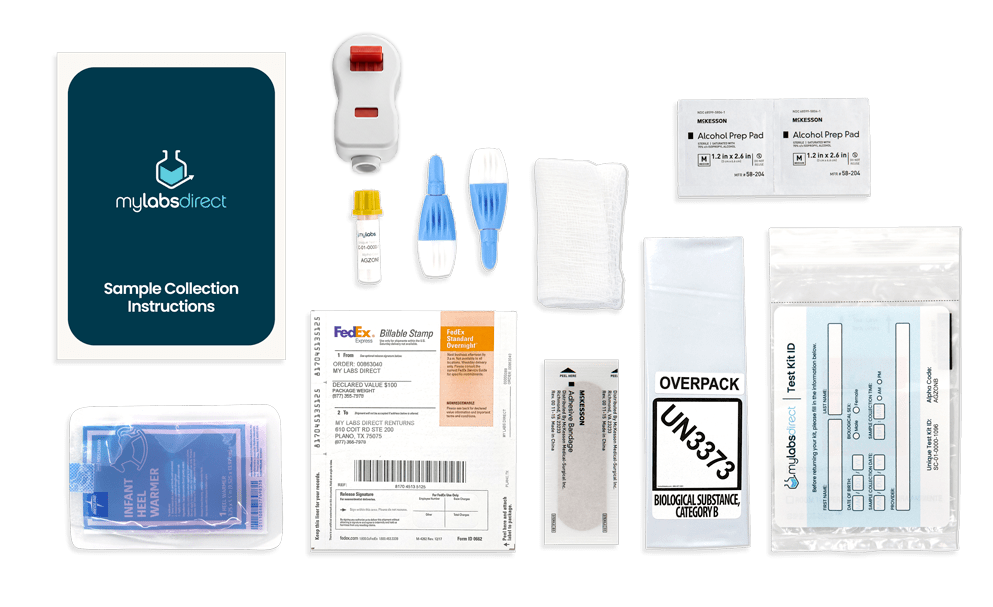
Women's Fertility At-Home Lab Kit
- Instructions
- Quick Draw Device
- 2x Lancet
- Gauze
- Alcohol Wipes
- Latex-Free Bandaid
- Heel Warmer
- Biohazard Bag
- Return Mailer Bag
- Pre-Paid Return Label
- Hormone Health
Women's Fertility Test
For women evaluating reproductive health or experiencing infertility; measures key hormones regulating ovulation and conception potential.
Collection Method
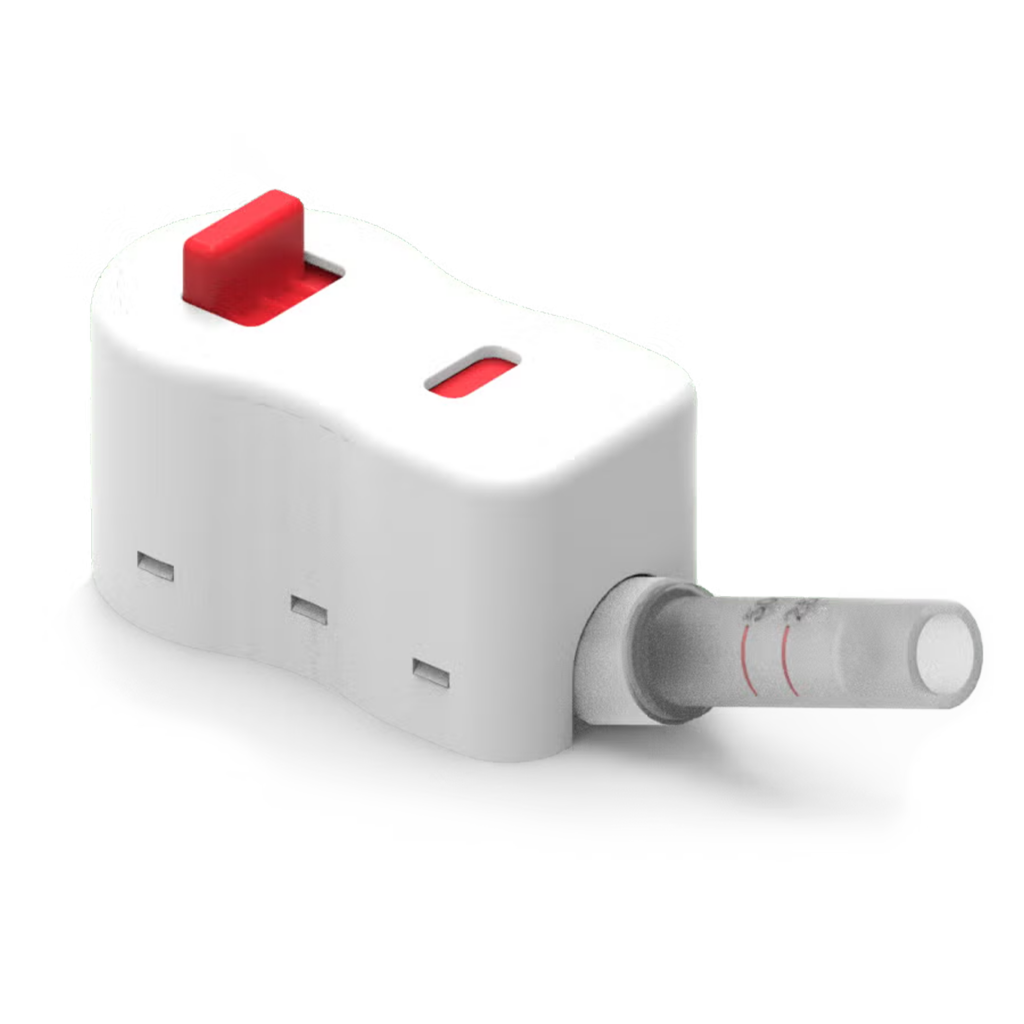
- FSA / HSA Accepted
- Free Return Shipping
- 100% Private & Secure Health Data
- CLIA-Certified Lab Results
- Improvement-Driven Health Data
Insights Into Your health
Explore Fertility Health
Our Women’s Fertility Test provides a comprehensive view of your reproductive health by measuring five essential hormones: FSH, LH, Estradiol, Total Tesosterone and Prolactin. These biomarkers work together to assess ovarian reserve, ovulation function, and overall hormonal balance—key factors that influence your ability to conceive.
This convenient at-home fertility test empowers you with clinically relevant insights, helping you take a proactive approach to family planning, identify potential hormonal imbalances, and make informed decisions about your reproductive future.
Why Monitor Your Fertility Hormones?
Fertility is closely tied to hormone balance, ovarian reserve, and regular ovulation—all of which can change over time. Testing these biomarkers provides early insight into your reproductive health, helping detect issues like irregular ovulation, diminished egg supply, or hormone imbalances before they become larger concerns.
Whether you’re actively trying to conceive or planning ahead, understanding your hormone levels can guide next steps, support conversations with your healthcare provider, and improve your chances of a healthy pregnancy.
Follicle-Stimulating Hormone (FSH)
FSH plays a critical role in stimulating the ovaries to mature and release eggs during each cycle. Elevated levels may indicate reduced ovarian reserve or declining egg quality, making it a key marker in fertility assessment.
Luteinizing Hormone (LH)
LH is responsible for triggering ovulation—the release of an egg from the ovary. Imbalances in LH levels can disrupt ovulation and are often associated with conditions like PCOS or irregular menstrual cycles.
Estradiol (E2)
Estradiol is the primary form of estrogen and plays a vital role in developing the uterine lining and supporting egg maturation. Abnormal levels can affect ovulation, follicle development, and the body’s ability to support implantation.
Prolactin
Prolactin helps regulate reproductive hormones, but elevated levels can interfere with ovulation and menstrual regularity. Monitoring prolactin can help identify underlying hormonal imbalances that may impact fertility.
Total Testosterone
Total Testosterone is the overall amount of testosterone circulating in the blood, including both bound and free forms. While typically considered a male hormone, it is also essential in women for supporting reproductive and overall hormonal balance.
In fertility health, testosterone plays a key role in ovarian function, including follicle development and ovulation. Abnormally high or low levels can disrupt menstrual cycles and may be associated with conditions such as PCOS or reduced fertility potential.
Test Anytime, Anywhere
How at-home health testing works
1
Order Your Lab Kit
Find the right test for your unique needs and receive clinic-grade sample collection kits delivered to your door.

2
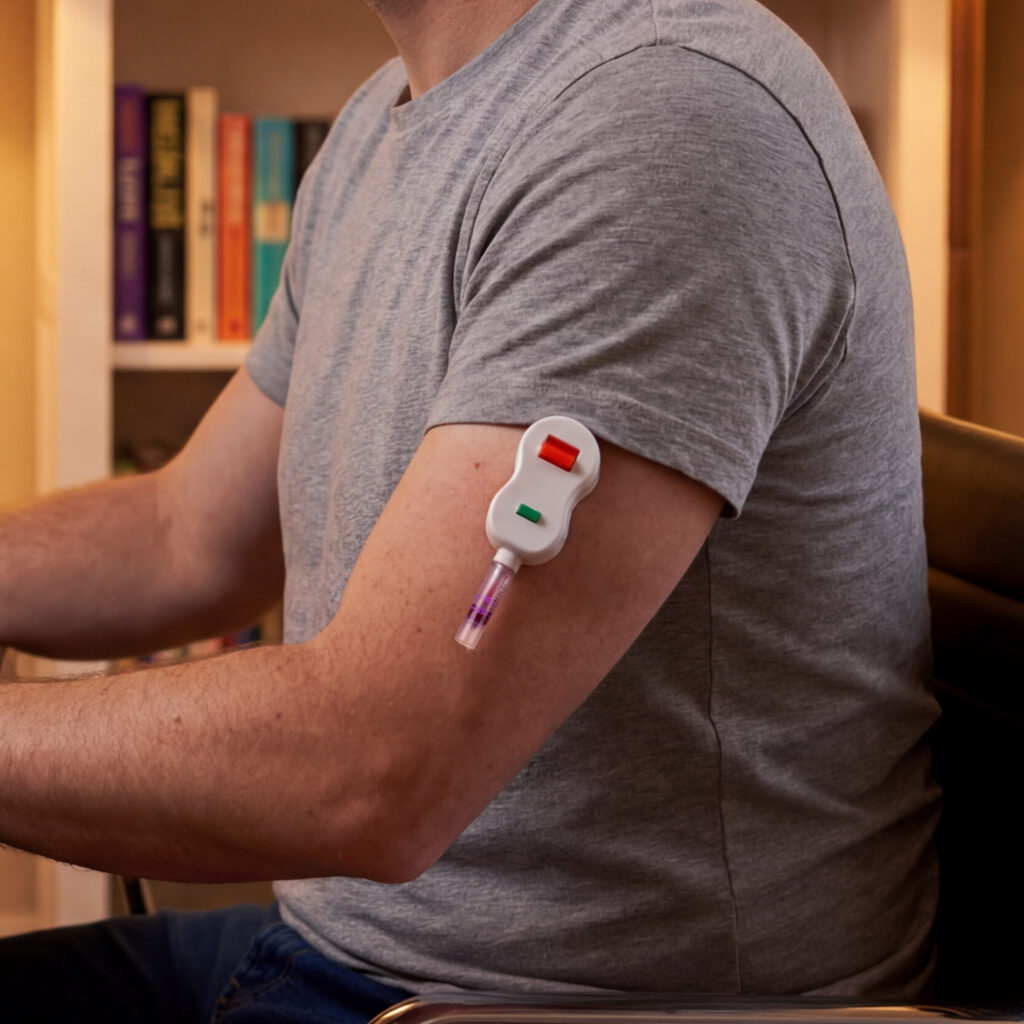
Collect Your Sample
Follow the included instructions to easily collect your sample and ship it back to us using the prepaid return shipping label.
3
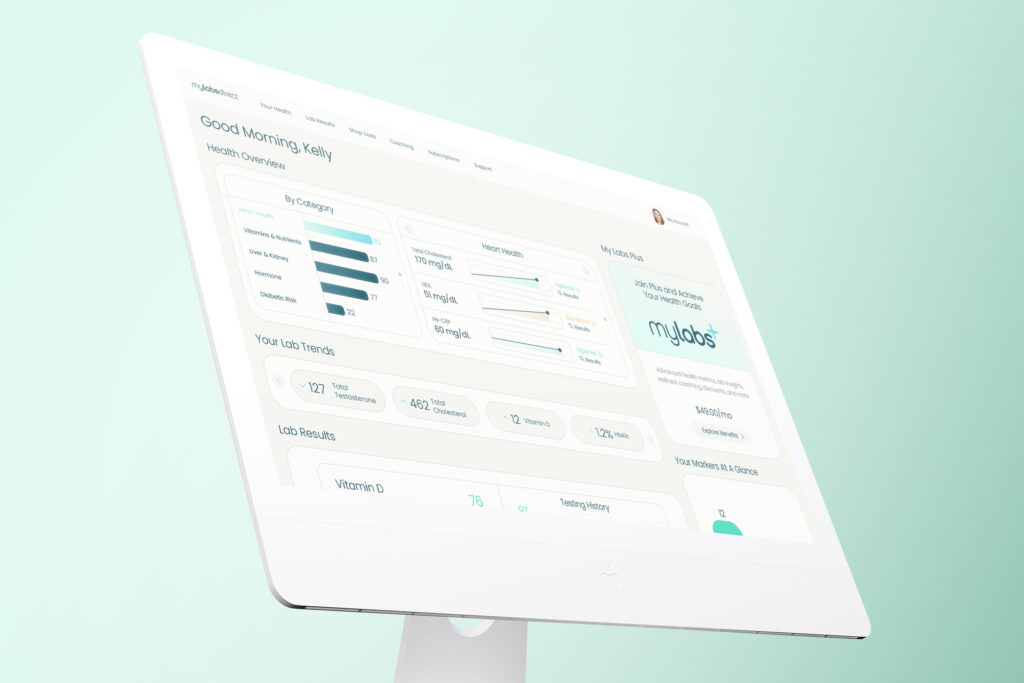
Review Your Results
Within days your test results and unique health insights will be available on our convenient online dashboard.
4
Your Health, Empowered
Based on your results, we empower better health through treatments, prescription access, and physician consultation.

FAQs
Answering Your Questions
Who should take a women’s fertility test?
This test is ideal for women who are trying to conceive, planning for pregnancy, or want a deeper understanding of their reproductive health. It’s also recommended for those with irregular cycles, hormonal imbalances, or concerns about ovarian reserve and fertility potential.
What does a women’s fertility test measure?
A women’s fertility test evaluates key reproductive hormones that play a critical role in ovulation, ovarian reserve, and overall hormonal balance. These insights help you better understand your fertility status and identify potential issues early.
Why is fertility testing important?
Fertility naturally declines with age, and early testing provides valuable insight into your reproductive timeline. Understanding your hormone levels can help guide family planning decisions and support conversations with your healthcare provider.
When should I take my fertility test?
For the most accurate results, fertility hormone testing is typically done during specific days of your menstrual cycle, depending on the biomarkers being measured. Always follow the instructions included in your kit to ensure proper timing and accurate results.
How does at-home lab testing work?
Using a My labs Direct at-home lab test kit is quick and convenient:
- Order your test kit online
- Complete your sample collection and send the sample back to our lab in the included pre-pair shipping bag
- Your sample is analyzed in our certified laboratory
- Receive secure, easy-to-understand results online
This process allows you to assess your overall health and risk factors without scheduling a doctor’s appointment.
How accurate is at-home lab testing?
Our clinical-grade test kits are processed in our own CLIA-certified laboratory using standardized testing methods, ensuring results that are as accurate and reliable as traditional in-clinic lab tests.
How long does it take to get lab results?
Most customers receive their lab results within 1–3 business days after the sample is received and processed. Results are delivered securely through an online portal for easy access.
Can I use this test instead of seeing a doctor?
This at-home test is a powerful screening tool, but it does not replace medical advice or diagnosis. If your results are elevated, it’s important to consult with a healthcare provider for further evaluation and guidance.
What are the benefits of using an at-home lab test?
This at-home lab test kit offers several advantages:
- Convenient testing without clinic visits
- Early detection of serious health conditions
- Affordable pricing with no insurance required
- Fast and confidential results
- Empowerment to take control of your health
It’s an easy way to stay proactive about your overall health.
Is my health information secure?
Yes. Your personal and health data is protected with advanced encryption and is fully HIPAA-compliant. Your results remain private and accessible only to you.
Can I use HSA or FSA funds to purchase the test?
In most cases, yes. Our at-home lab test kits are be eligible for purchase using HSA or FSA funds. Check with your plan provider for details.